Learn about the early signs of hearing loss, common causes, hearing tests, and treatment options. Get expert audiology care at Indian Speech.
Hearing plays a vital role in communication, learning, social interaction, and overall quality of life. Unfortunately, hearing loss often develops gradually, making it difficult to recognize in its early stages. Many people dismiss symptoms as temporary or simply part of aging, which can delay treatment and affect daily life.
According to health experts worldwide, millions of people experience some degree of hearing loss. The good news is that early diagnosis and proper treatment can significantly improve hearing ability and communication outcomes.
At Indian Speech, our experienced audiologists provide comprehensive hearing evaluations, advanced diagnostic testing, and personalized hearing solutions for children, adults, and senior citizens.
What is Hearing Loss?
Hearing loss refers to a reduced ability to hear sounds. It can affect one or both ears and range from mild to profound in severity.
Depending on the cause and severity, hearing loss may impact:
- Understanding conversations
- Academic performance
- Workplace communication
- Social interactions
- Emotional well-being
- Safety and awareness of surroundings
Early identification is essential to prevent communication difficulties and improve overall quality of life.
Common Types of Hearing Loss
Conductive Hearing Loss
Conductive hearing loss occurs when sound cannot travel efficiently through the outer or middle ear.
Common causes include:
- Earwax blockage
- Ear infections
- Fluid in the middle ear
- Eardrum perforation
- Structural abnormalities
This type of hearing loss is often treatable through medical intervention.
Sensorineural Hearing Loss
Sensorineural hearing loss results from damage to the inner ear or auditory nerve.
Common causes include:
- Aging
- Noise exposure
- Genetic factors
- Certain medications
- Viral infections
- Head injuries
This is the most common form of permanent hearing loss.
Mixed Hearing Loss
Mixed hearing loss involves both conductive and sensorineural components, requiring a comprehensive treatment approach.
Early Signs of Hearing Loss
Many people do not realize they have hearing difficulties until communication becomes noticeably challenging.
Common warning signs include:
Frequently Asking Others to Repeat Themselves
One of the earliest indicators of hearing loss is repeatedly asking people to repeat what they said.
Difficulty Following Conversations
Especially in noisy environments such as restaurants, offices, or family gatherings.
Increasing TV or Mobile Volume
If family members complain that your television volume is too loud, it may indicate hearing difficulties.
Trouble Understanding Speech
Words may sound muffled or unclear, making conversations frustrating.
Ringing in the Ears (Tinnitus)
Persistent buzzing, ringing, or humming sounds may be associated with hearing damage.
Social Withdrawal
Many individuals begin avoiding conversations and social situations because communication becomes difficult.
Fatigue After Conversations
Listening effort increases significantly when hearing is impaired, causing mental exhaustion.
Causes of Hearing Loss
Several factors can contribute to hearing impairment.
Age-Related Hearing Loss
Natural aging can gradually damage the delicate structures of the inner ear.
Noise-Induced Hearing Loss
Long-term exposure to loud sounds from:
- Construction sites
- Factories
- Music concerts
- Personal audio devices
- Traffic noise
can permanently damage hearing.
Ear Infections
Untreated infections may affect hearing temporarily or permanently.
Genetics
Inherited hearing conditions may affect both children and adults.
Certain Medications
Some medications can damage hearing structures and contribute to hearing loss.
Medical Conditions
Conditions such as:
- Diabetes
- Hypertension
- Meningitis
- Autoimmune disorders
may increase the risk of hearing problems.
Why Early Diagnosis is Important
Ignoring hearing loss can have serious consequences.
Potential complications include:
- Communication difficulties
- Reduced workplace performance
- Academic challenges
- Social isolation
- Depression and anxiety
- Cognitive decline in older adults
Early intervention can significantly improve outcomes and help individuals maintain active, independent lifestyles.
Hearing Tests and Diagnostic Evaluation
At Indian Speech, our audiologists perform comprehensive hearing assessments to determine the type and severity of hearing loss.
Pure Tone Audiometry
Measures hearing sensitivity across different frequencies.
Speech Audiometry
Evaluates the ability to understand spoken language.
Tympanometry
Assesses middle ear function and eardrum movement.
Otoacoustic Emissions (OAE)
Tests inner ear (cochlear) function.
Brainstem Evoked Response Audiometry (BERA)
Evaluates auditory nerve and brainstem responses to sound.
These tests help audiologists identify the exact nature of hearing difficulties and recommend appropriate treatment.
Treatment Options for Hearing Loss
Treatment depends on the underlying cause.
Medical Management
Conditions such as infections or earwax blockage may be treated medically.
Hearing Aids
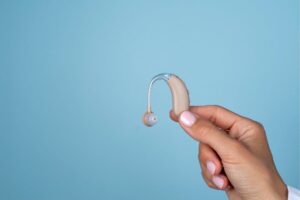
Modern hearing aids provide excellent amplification and sound clarity for individuals with hearing impairment.
Benefits include:
- Better speech understanding
- Improved communication
- Enhanced confidence
- Greater social participation
Cochlear Implants
For individuals with severe to profound hearing loss who receive limited benefit from hearing aids.
Assistive Listening Devices
Specialized technologies help improve hearing in challenging environments.
Hearing Rehabilitation
Training programs help individuals adapt to hearing devices and improve listening skills.
Tips to Protect Your Hearing
Protecting your hearing today can prevent future problems.
Recommended practices include:
- Wear hearing protection in noisy environments
- Limit headphone volume
- Take listening breaks
- Avoid prolonged exposure to loud sounds
- Treat ear infections promptly
- Schedule regular hearing evaluations
Why Choose Indian Speech?
At Indian Speech, we combine advanced diagnostic technology with compassionate patient care.
Our services include:
- Comprehensive hearing assessments
- Pediatric audiology services
- Adult hearing evaluations
- Hearing aid fitting and programming
- Tinnitus management
- Hearing rehabilitation programs
We are committed to helping individuals of all ages achieve better hearing and improved quality of life.
Conclusion
Hearing loss can affect every aspect of daily living, but early diagnosis and treatment can make a significant difference. Recognizing symptoms early and seeking professional audiological care is the first step toward maintaining healthy hearing.
If you or a loved one is experiencing signs of hearing loss, schedule a comprehensive hearing evaluation at Indian Speech and take the first step toward better hearing health.